

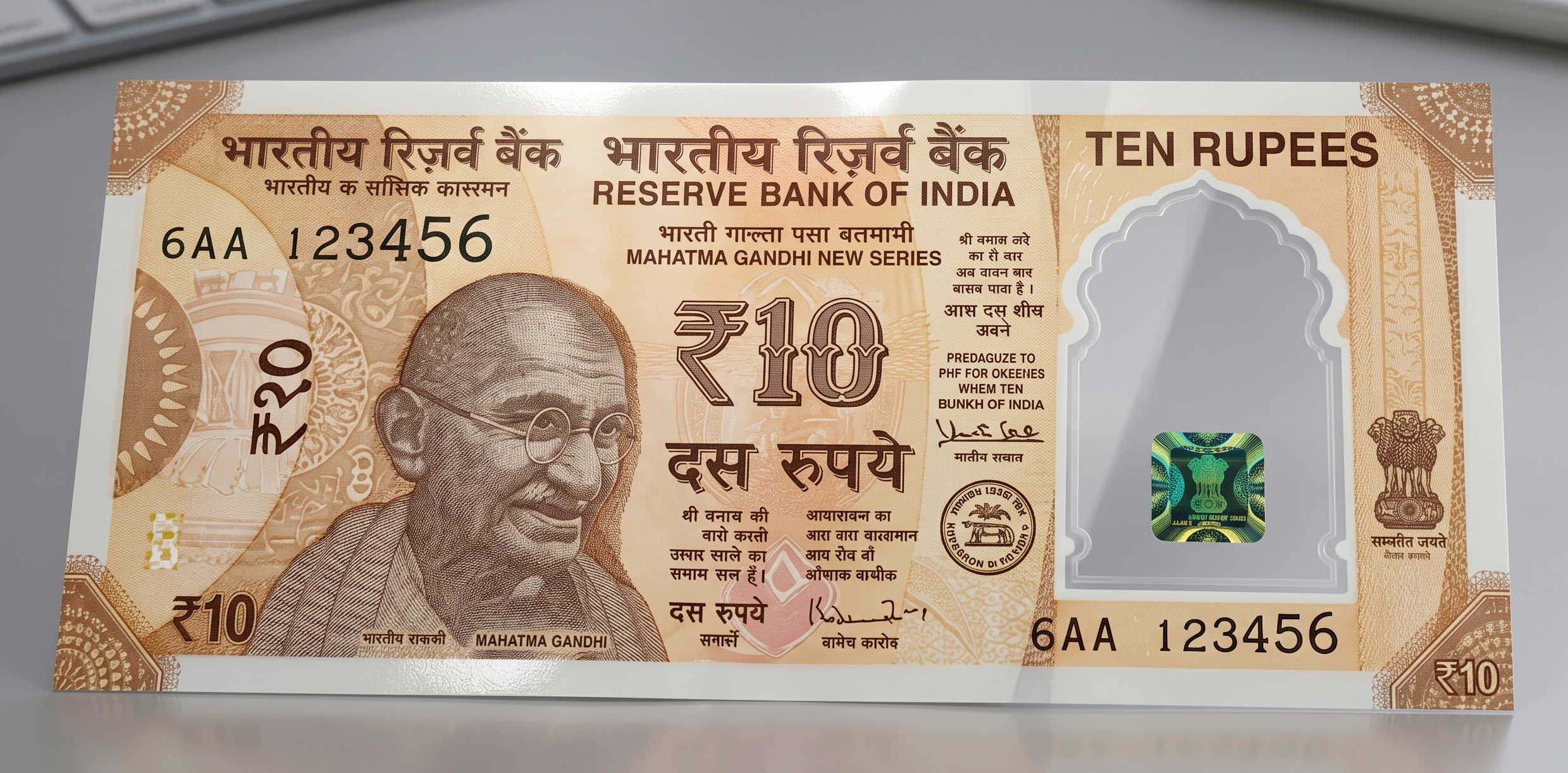
- What Are Polymer Banknotes? How Are They Different From Paper Currency?
- Understanding Plastic Currency Notes
- Key Differences Between Polymer Notes and Paper Notes
- Why Is RBI Considering Plastic Notes Now? The Real Reasons
- 1. Surging Currency Printing Costs
- 2. Massive Volume of Soiled Notes
- 3. Record Currency in Circulation
- 4. Lower Denominations Wear Out Fastest
- India's First Try at Plastic Notes: What Happened in 2012?
- Why It Could Work Now
- Advantages of Polymer Banknotes Over Paper Currency
- 1. Significantly Longer Lifespan
- 2. Better Durability in Indian Conditions
- 3. Advanced Anti-Counterfeiting Security
- 4. Lower Long-Term Costs
- 5. Environmentally Recyclable
- Which Countries Already Use Plastic Currency Notes?
- Will Plastic Notes Replace All Paper Currency in India?
- Pilot Project First, Nationwide Rollout Later
- RBI's Push for Coins Hasn't Worked
- What Denominations Will Get Plastic Notes First?
- How Much Does India Spend on Currency Management?
- What Does This Mean for Common Indians?
- For Everyday Users
- For Businesses
- For the Economy
- Frequently Asked Questions (FAQ)
- Are plastic notes really made of plastic?
- Will my old paper notes become invalid?
- Can ATMs handle plastic notes?
- Are polymer notes safe for the environment?
- Which country was the first to use plastic notes?
- Conclusion: Is India Ready for Polymer Currency?
India May Soon Get Plastic Currency Notes as RBI Revives Polymer Banknote Plan
The Reserve Bank of India (RBI) is set to bring a major change to the country’s currency system. After more than a decade, the central bank has revived its plan to introduce polymer banknotes, commonly known as plastic currency notes in India. The proposal was reportedly discussed during the RBI’s last two board meetings held in Patna and Mumbai, and a pilot project is expected to be announced soon.
This move comes at a time when India is witnessing a record surge in currency demand, skyrocketing printing costs, and an ever-growing pile of soiled banknotes being pulled out of circulation every year.
What Are Polymer Banknotes? How Are They Different From Paper Currency?
Understanding Plastic Currency Notes
Polymer banknotes are currency notes printed on a thin, flexible plastic substrate called biaxially oriented polypropylene (BOPP), not the cotton-based paper used in traditional Indian rupee notes. Despite being called “plastic notes,” they are not rigid like debit or credit cards. They remain lightweight, foldable, and easy to handle, feeling surprisingly similar to regular paper currency in day-to-day use.
Key Differences Between Polymer Notes and Paper Notes
| Feature | Paper Currency | Polymer (Plastic) Currency |
|---|---|---|
| Material | Cotton-linen blend | Thin plastic film (BOPP) |
| Durability | 1.5 to 2 years average lifespan | 7+ years average lifespan |
| Water Resistance | Absorbs moisture, tears easily | Waterproof and moisture-resistant |
| Security Features | Standard | Advanced (transparent windows, holograms, specialized inks) |
| Replacement Frequency | High | Low |
| Recyclability | Limited | Can be recycled at end of life |
Why Is RBI Considering Plastic Notes Now? The Real Reasons
1. Surging Currency Printing Costs
The cost of printing paper currency in India has been rising sharply. According to the RBI’s annual report for FY25, expenditure on printing banknotes jumped to ₹6,372.8 crore, up from ₹5,101.4 crore in FY24. The increase was driven by higher demand for banknote printing.
“There are clear advantages in the cost of production of such notes compared to the paper notes currently being used,” a source familiar with the RBI board’s deliberations told Business Standard.
2. Massive Volume of Soiled Notes
One of the biggest headaches for the RBI is the disposal of damaged and soiled banknotes. In FY25 alone, 23.8 billion pieces of soiled banknotes were withdrawn from circulation a 12.3% increase from 21.24 billion pieces in FY24. The ₹500 and ₹100 denominations accounted for the largest share of discarded notes.
3. Record Currency in Circulation
Despite the rapid growth of UPI and digital payments, India’s demand for physical cash remains strong. Currency in circulation (CiC) hit a record ₹42.86 trillion as of May 15, 2026, marking an 11.5% year-on-year increase. In just the first one-and-a-half months of FY27, CiC expanded by ₹1.15 trillion.
4. Lower Denominations Wear Out Fastest
Demand for ₹10 and ₹20 notes has remained strong, but these notes account for only 0.7% and 0.8% of total currency value, respectively. Because they circulate most frequently, they deteriorate the fastest, making them ideal candidates for the initial polymer note pilot.
India’s First Try at Plastic Notes: What Happened in 2012?
This is not the first time India has explored polymer currency. In 2012, the then UPA government approved a field trial involving one billion ₹10 polymer banknotes across five cities chosen for their varied climates:
- Kochi (coastal/humid)
- Mysore (moderate)
- Jaipur (arid)
- Bhubaneswar (tropical)
- Shimla (cold/hilly)
The primary objective was to increase the shelf life of banknotes. However, the project was shelved due to technological challenges, particularly:
- ATMs struggled to identify and dispense the thicker plastic notes
- Handling issues during everyday transactions
- Operational difficulties in processing
Why It Could Work Now
Sources familiar with the current discussions say those technological limitations have been resolved. Modern ATMs and currency-processing systems are now fully capable of handling polymer-based notes.
“We have the wherewithal to do this now,” the source added, confirming that ATMs would be enabled to dispense polymer notes.
Advantages of Polymer Banknotes Over Paper Currency
1. Significantly Longer Lifespan
Polymer notes typically last 2.5 to 4 times longer than paper notes. While Indian paper notes survive about 1.5 to 2 years, polymer notes can remain in circulation for 7 years or more.
2. Better Durability in Indian Conditions
India’s diverse climate, from monsoons to extreme heat, takes a toll on paper currency. Polymer notes are:
- Waterproof
- Dirt and grime resistant
- Tear-resistant
- Survive washing machines and heavy handling
3. Advanced Anti-Counterfeiting Security
The plastic substrate allows for sophisticated security features that are harder to replicate:
- Transparent windows
- Micro-optic holograms
- Specialized security inks
- See-through registration features
4. Lower Long-Term Costs
Although polymer notes are more expensive to print initially, their extended lifespan means fewer replacements, reducing overall lifecycle costs for the central bank.
5. Environmentally Recyclable
At the end of their life, polymer notes can be recycled, unlike paper notes which are typically destroyed and disposed of.
Which Countries Already Use Plastic Currency Notes?
More than 60 countries have introduced polymer banknotes either fully or partially. Here are some notable examples:
| Country | Year Introduced | Notes |
|---|---|---|
| Australia | 1988 | First country to issue polymer notes; fully converted by 1996 |
| Romania | 1998 | First European country to adopt polymer currency |
| Canada | 2011 | Full polymer series |
| United Kingdom | 2016 | £5 note featuring Winston Churchill |
| Singapore | 1990s | Full adoption |
| Malaysia | 1990s | Partial adoption |
| Thailand | 1990s | Partial adoption |
| Indonesia | 1990s | Partial adoption |
| Vietnam | 2000s | Full adoption |
| New Zealand | 1999 | Full conversion |
The United States remains a notable exception, continuing to print dollar notes on a specialized cotton-linen blend.
Will Plastic Notes Replace All Paper Currency in India?
Pilot Project First, Nationwide Rollout Later
A full replacement of paper currency is not imminent. The RBI is expected to:
- Announce a pilot project in the coming months
- Test lower denominations first (likely ₹10 and ₹20 notes)
- Evaluate operational feasibility, public acceptance, and ATM compatibility
- Consider broader rollout based on pilot results
RBI’s Push for Coins Hasn’t Worked
The central bank has tried promoting coins as an alternative to low-denomination notes, but adoption has been limited. Coin supply rose from 1.2 billion pieces in FY24 to 1.5 billion in FY25, with ₹5 coins accounting for 800 million pieces. However, public preference for notes over coins remains strong.
What Denominations Will Get Plastic Notes First?
Based on available reports, the ₹10 and ₹20 denominations are the most likely candidates for the initial pilot because:
- They circulate most frequently
- They wear out the fastest
- Their replacement cost is disproportionately high relative to their value
- They represent a manageable test case before scaling up
Higher denominations like ₹100, ₹200, and ₹500 may follow later if the pilot succeeds.
How Much Does India Spend on Currency Management?
| Metric | FY24 | FY25 | Change |
|---|---|---|---|
| Currency Printing Cost | ₹5,101.4 crore | ₹6,372.8 crore | ↑ 24.9% |
| Soiled Notes Disposed | 21.24 billion | 23.8 billion | ↑ 12.3% |
| Currency in Circulation | ₹38.44 trillion* | ₹42.86 trillion* | ↑ 11.5% |
*Approximate figures based on reported data
The RBI also reported that in FY26, printing costs fell to ₹4,875.2 crore as the bank printed fewer notes and focused on higher denominations, but the long-term trend of rising cash demand remains.
What Does This Mean for Common Indians?
For Everyday Users
- No immediate change, paper notes will continue to be legal tender
- Plastic notes, if introduced, will feel similar to current notes
- They will be more durable and survive rough handling better
For Businesses
- Reduced need to reject torn or soiled notes
- Easier handling of cash, especially in humid or wet conditions
For the Economy
- Lower long-term currency management costs
- Reduced environmental impact from note disposal
- Enhanced security against counterfeiting
Frequently Asked Questions (FAQ)
Are plastic notes really made of plastic?
Yes, but a special thin, flexible plastic (BOPP) not the rigid plastic of cards. They fold and feel similar to paper notes.
Will my old paper notes become invalid?
No. Any transition would be gradual, and paper notes would remain legal tender for years.
Can ATMs handle plastic notes?
Yes. Modern ATM technology has evolved since India’s 2012 trial. The RBI has confirmed ATMs can be enabled to dispense polymer notes.
Are polymer notes safe for the environment?
They are recyclable and last longer, reducing the overall environmental footprint compared to frequently replaced paper notes.
Which country was the first to use plastic notes?
Australia issued the world’s first polymer note in 1988 and fully converted by 1996.
Conclusion: Is India Ready for Polymer Currency?
The RBI’s decision to revive the polymer banknote plan after 12 years signals a significant shift in India’s currency management strategy. With printing costs crossing ₹6,300 crore, 23.8 billion soiled notes being destroyed annually, and cash demand at record highs, the economic case for plastic currency is stronger than ever.
While the 2012 pilot failed due to technological constraints, today’s advanced ATM and currency-processing infrastructure makes the transition viable. If the upcoming pilot succeeds, India could join over 60 countries that have already embraced polymer banknotes, potentially starting with ₹10 and ₹20 notes before expanding to higher denominations.
For now, Indians can expect a cautious, phased approach, but the era of plastic rupees may finally be on the horizon.
